Synthetic Media Forensics for Multi-Modal Educational Resource Verification

TL;DR
- This article explores the growing need for forensic analysis in educational materials to detect ai generated text, images, and video. It covers how teachers and publishers can verify content authenticity using multi-modal tools to ensure high quality learning. We look at the balance between using blogging tools and maintaining academic integrity in a world full of paraphrasing software.
The rise of synthetic media in schools and blogs
Ever tried grading an essay and felt like the "voice" was just a bit too perfect, or maybe you saw a lecture video where the professor's lips didn't quite match the audio? It's getting wild out here with how fast this stuff is moving into our classrooms.
We aren't just dealing with kids copying Wikipedia anymore. The game has changed because the tools are basically everywhere now.
- The explosion of ai tools: Students are using things like ChatGPT not just for ideas, but to ghostwrite entire assignments, while teachers are generating lesson plans in seconds. According to a 2024 survey by Forbes Advisor, about 60% of educators are already using ai in their typical work day, which shows how fast this tech is sticking.
- Paraphrasing and original sources: Tools like Quillbot can spin a sentence to make it sound different, but don't be fooled—modern plagiarism checkers like Turnitin have actually updated their algorithms to catch these "spun" patterns. It's harder to hide the original source than it used to be, even if the words are swapped around.
- Multi-modal deepfakes: We’re seeing a shift from just text to fake audio and video. Imagine a "guest lecture" from a historical figure that sounds real but is actually a deepfake—it's cool for engagement, but a nightmare for verifying facts.

Honestly, it's getting harder to tell what's "human" anymore. Since everyone is mixing their own thoughts with machine output, we need better ways to look under the hood.
This leads us right into the technical side of how we actually start spotting these digital fingerprints.
What is synthetic media forensics anyway
So, if we can't trust our eyes anymore, how do we actually "prove" a video or a textbook image is real? That is where synthetic media forensics comes in—it’s basically like being a digital detective looking for the "DNA" that ai leaves behind when it creates something.
Think of it like this: when a human artist draws a diagram for a biology book, they make intentional choices. But when an ai does it, it’s just predicting pixels based on math. Forensics is the art of spotting those math patterns that look "off" to a computer, even if they look okay to us.
It isn't just about one thing; it's about checking every layer of the media. Here is how the pros (and some smart new software) actually handle it:
- Pixel-level artifacts: ai-generated images often have weird "noise" or repeating patterns in the pixels that a normal camera wouldn't make. In medical textbooks, for instance, an ai might mess up the symmetry of a cell structure or leave "checkerboard" artifacts that forensic tools can flag instantly.
- Metadata and hidden watermarks: Most big ai models now try to bake in "invisible" info. If a publisher is checking a batch of stock photos, they look for C2PA (Coalition for Content Provenance and Authenticity) metadata. This is like a digital passport. Users can actually verify this by looking for the Content Credentials icon—it looks like a little 'cr' symbol—which lets you see the history of the file.
- Semantic inconsistency: This is the "common sense" check. If a video shows a historical figure talking, forensics tools check if the lighting on their face matches the background. If the shadows are going two different directions, you know it's a fake.
A 2023 report by DeepMedia noted that deepfake samples online are doubling every six months, making these forensic "fingerprints" more vital than ever for schools.

Honestly, it's a bit of a cat-and-mouse game. As the ai gets better at hiding its tracks, the forensic tools have to get even nerdier to find them.
But it isn't just about spotting fakes; it's about building a system where we can actually trust what we're teaching. This leads us into the specific tools you can actually start using today to vet your own content.
Tools for Detecting and Verifying Content
So, you’ve probably seen those "ai or Human?" quizzes online where you fail miserably because the robot sounds more like a person than you do. It’s getting weirdly good, which is why we need tools that don't just guess but actually analyze the "vibe" and structure of what we're reading—and watching.
I've been playing around with gpt0.app lately for text, and honestly, it’s a lifesaver for when you’re staring at a blog post and wondering if you accidentally started writing like a manual. It doesn't just bark "This is AI!" at you; it breaks down perplexity and burstiness.
But since video and images are the bigger threat now, you gotta look at more heavy-duty stuff:
- Microsoft Video Authenticator: This tool is great because it can analyze a video in real-time and give a "confidence score" on whether it's been manipulated.
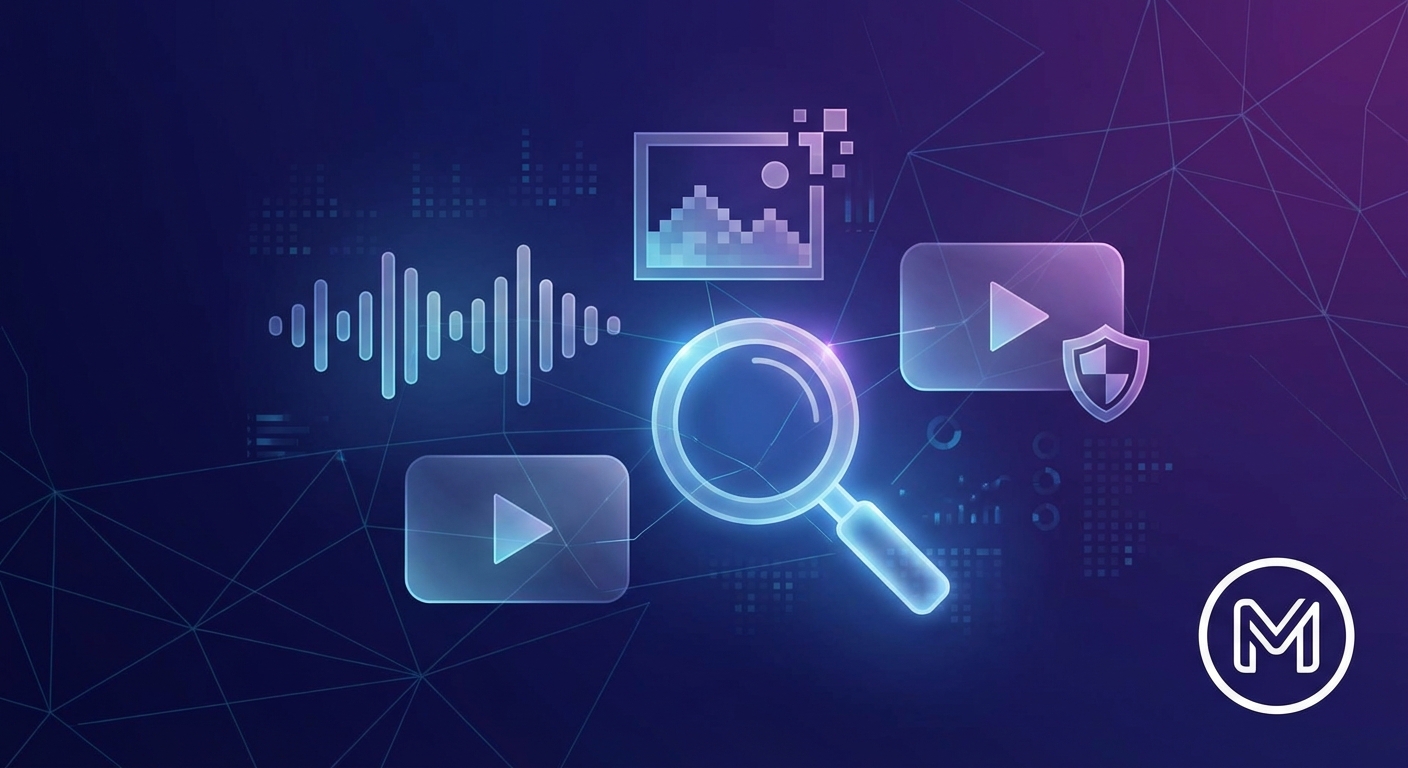
- Reality Defender: This is a big one for enterprises. It scans for deepfakes across audio, video, and images all at once.
- Hive Moderation: I like this one for images; it’s super fast at spotting if a picture was cooked up by Midjourney or DALL-E.
- Free tools for the classroom: Teachers are still using things like the GPTZero Chrome extension to scan student work on the fly. It’s not about playing "gotcha," but more about starting a convo on why a student’s voice suddenly sounds like a 50-year-old ceo.
While individual creators use these tools for quick "vibe checks" on their blogs, institutional publishers face much stricter regulatory and legal requirements that make these tools a mandatory part of the job.
Challenges for publishers and compliance teams
It’s one thing to spot a fake photo in a group chat, but it’s a whole different ball game when you’re a publisher responsible for a medical textbook or a history curriculum. If an ai "hallucinates" a fact or a diagram, the legal and ethical fallout is huge.
Publishers are basically walking a tightrope right now. You want to use these tools to speed things up, but the risks are everywhere:
- Copyright nightmares: If an ai generates an entire lesson plan, who actually owns it? Current laws are still super messy about whether machine-made content can even be copyrighted, which is a massive risk for companies selling educational resources.
- The "Hallucination" Trap: In fields like healthcare or engineering, being "mostly right" is actually dangerous. According to a 2024 report by the Center for Democracy & Technology, teachers are worried about the accuracy of these tools, and publishers face similar stress—one fake "fact" in a science book can ruin a brand's reputation overnight.
- The Cost of Truth: High-end forensic software isn't cheap. While big players can afford it, small school districts often struggle to pay for the tech needed to audit their digital libraries.

Honestly, the tech is moving way faster than the lawyers can keep up with. It’s making everyone a bit jumpy.
Anyway, once you get past the legal hurdles, you actually have to figure out how to bake these forensic checks into your daily workflow without slowing everything down to a crawl.
Future proofing your digital content creation
So, we’ve seen the tech, the legal headaches, and the "math fingerprints" left by ai. But honestly? At the end of the day, the best forensic tool is still the person sitting in the chair.
We gotta start teaching kids and creators that using forensic tools isn't about being a digital cop. It’s a literacy skill. Just like we taught people to check for the "https" in a browser, we need to show them how to verify a video's metadata before sharing it in a lesson plan.
- The human editor is king: Whether you're in finance or retail, automation is great for the heavy lifting. But a human needs to add that final 10% of "soul" that an api just can't mimic.
- Digital literacy as a shield: Schools should treat forensic tools like a calculator—it's there to help you check your work, not do it for you.
- Authenticity wins: In blogging, people crave the messy, real-life stories. As previously discussed, ai tends to be too "perfect." By looking for those pixel-level artifacts or semantic inconsistencies we talked about earlier, you can spot where the machine took over and where the human heart is missing.
The goal isn't to fight the machines. It's about making sure that when we publish something, we can stand behind it and say, "Yeah, I made this." Keep it real, keep it messy, and keep checking the pixels.