Ethical Guardrails for Multi-Modal AI in Interactive Digital Storytelling

TL;DR
- This article covers the critical need for safety frameworks when use multi-modal ai to build stories and educational content. It explore the risks of bias in images and text while providing actionable steps for humanizing content and ensuring authenticity. You will learn how to balance creative freedom with responsible tech practices to keep digital spaces safe for students and readers alike.
The wild west of multi-modal ai storytelling
Ever tried to tell a story where the characters actually talk back or the background music changes based on your mood? It sounds like sci-fi, but ai is making this happen right now in ways that are honestly a bit overwhelming.
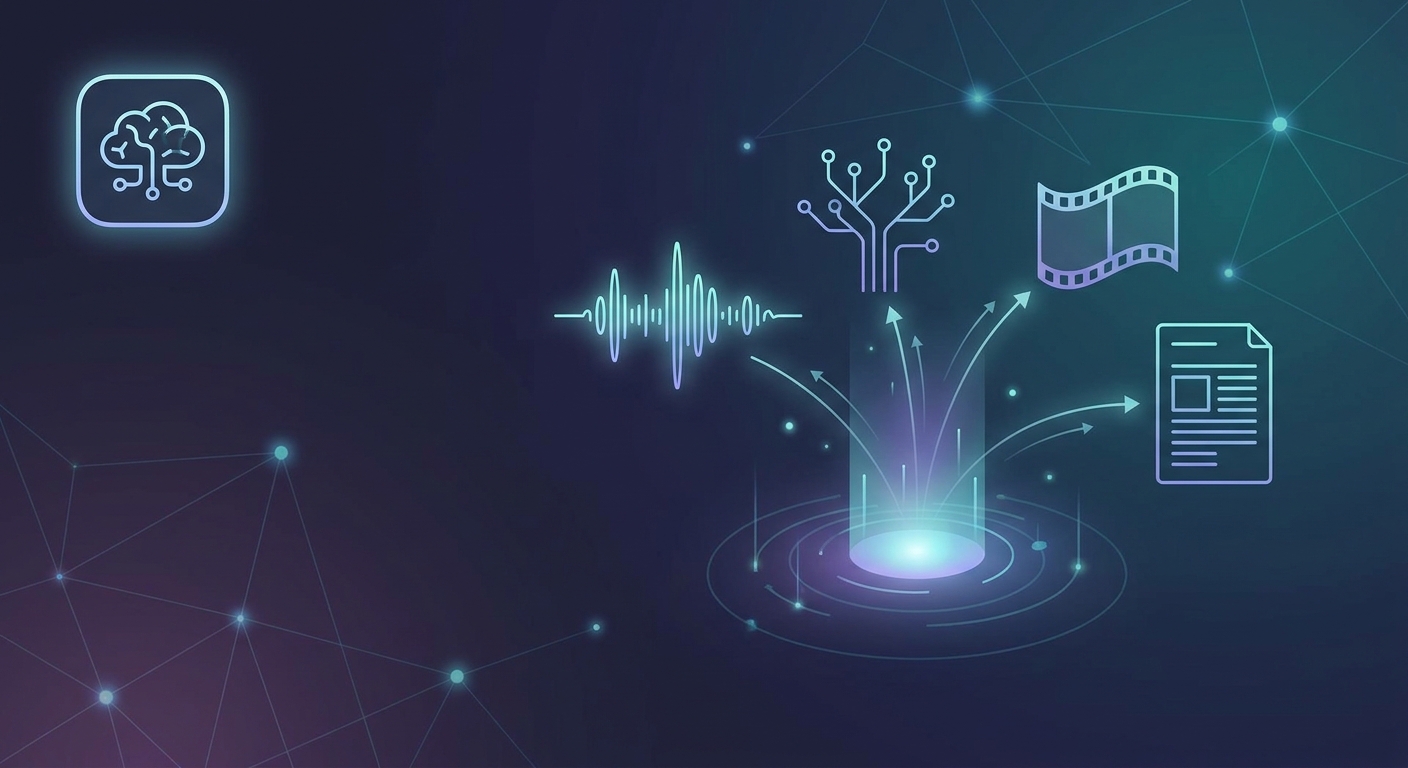
We aren't just talking about chatbots anymore. Multi-modal tech means the machine is juggling text, images, and audio all at once to build a world around the user. (What is multimodal AI: Complete overview 2025 | SuperAnnotate) It's cool, but it's also a total mess because we haven't really agreed on the "safety rails" yet.
- The multi-sensory explosion: Since ai can now generate voices and visuals on the fly, the risk of "hallucinations" isn't just a weird sentence—it's a creepy image or a disturbing sound bite.
- Classroom chaos: In education, if a student uses an interactive story tool to learn history, we have to ensure the ai doesn't start making up "facts" or showing biased imagery that shouldn't be near a school.
- Who's driving?: Most of these stories are powered by third-party apis (like OpenAI or Anthropic) behind the scenes. There is a weird tension between letting the machine be creative and keeping the human creator in control. If the api takes over too much, is it even your story anymore?

According to Stanford University’s 2024 AI Index Report, the complexity of these models is outpacing our ability to track their biases, which is a huge red flag for publishers. I've seen creators get super excited about these tools, only to realize they can't predict what the ai will say next to a customer or a student.
We need to figure out how to keep the "magic" of interactive stories without letting the tech go off the rails, which leads us to the actual mechanics of safety.
Protecting content authenticity in a world of bots
So, you’ve probably seen those ai-generated images where the person has six fingers or the background looks like a melting clock? It's funny until you’re trying to run a professional blog or a classroom and realize you can't tell what is real anymore.
Honestly, the biggest vibe killer in digital storytelling is when the text feels like it was squeezed out of a toothpaste tube—perfectly smooth but totally soulless. I’ve seen some creators get around this by using tools like gptzero.me (which is a solid resource for teachers and editors) to see if a story actually has that "human burstiness" and variation in sentence structure we all have when we write.
- Check the "pulse": If you’re a teacher, using free resources to verify student work isn't about playing police; it's about making sure they're actually learning to find their own voice instead of just hitting "generate."
- Keep the human in the loop: For blogging, I always tell people to treat the ai like a clumsy intern. It can do the heavy lifting, but you gotta be the one to add the weird metaphors and the personal rants that make it worth reading.
- Corporate Narratives (Retail and Finance): Even in "boring" industries, authenticity matters. If a bank uses an interactive ai tool to explain loans, it needs to sound empathetic, not like a legal manual from 1985.
According to World Economic Forum's 2024 Insight Report, misinformation and disinformation are ranked as the most severe global risks over the next two years, which makes verifying our digital assets a literal necessity for survival.
It’s one thing to spot a weird sentence, but it’s way harder to know if a voice clip or a video is a total fake. In interactive education, if a "historical figure" starts talking to a student, we need to know that the api didn't just pull a deepfake from some dark corner of the web.

We’re starting to see better metadata standards, but it’s still a bit of a scramble. If you're building these tools, you gotta bake in checks that ask, "where did this image actually come from?" before you let a user see it.
Anyway, once you've got the authenticity figured out, the next headache is making sure the ai doesn't accidentally say something offensive or totally biased, which is a whole other beast.
Bias and safety in interactive media
Ever notice how an ai image generator sometimes thinks every "ceo" should be a middle-aged guy in a suit? It's super annoying and, honestly, pretty dangerous when you're trying to build an inclusive story for students or customers.
When we let these models run wild in interactive media, they don't just tell stories—they mirror all the junk data they were fed during training. If the data is skewed, your "dynamic hero" might end up being a walking stereotype without you even realizing it.
The problem is that multi-modal models are like sponges; they soak up every bias on the internet. For publishers and educators, this means you can't just "set it and forget it" because the machine might produce something totally insensitive.
- Visual Stereotypes: I've seen tools that consistently generate "doctor" images as one specific gender or race, which is a nightmare for classroom diversity.
- Tone and Dialect: Sometimes the text-to-speech api sounds "robotic" or offensive when trying to mimic certain accents, making the experience feel caricatured rather than authentic.
- Healthcare and Finance: If a medical app uses an ai avatar to explain symptoms, but that avatar only reflects one demographic, patients might feel alienated or distrust the advice.
A report by the Center for Countering Digital Hate (CCDH) in 2024 highlighted how easily ai tools can be nudged into generating harmful or biased content, which is why we need much tighter filters.
If you're a developer, you might use a simple check to flag sensitive words before they hit the user. Here is a tiny snippet of how a basic safety filter might look in a python script:
def check_safety(user_input):
    blocked = ["stereotypical_term_1", "harmful_phrase_2"]
    if any(word in user_input.lower() for word in blocked):
        return "Let's try a more inclusive story path!"
    return "Generating your adventure..."
It’s not just about blocking bad words though; it’s about making sure the "soul" of the story is fair. Once you've got a handle on the bias, you have to look at the operational strategies—the actual workflows—that keeps everything from falling apart.
Practical guardrails for creators and educators
So, we’ve talked about the scary side of ai—the biases, the deepfakes, and the "soulless" text. But if you’re actually in the trenches as a teacher or a content creator, you need more than just warnings; you need a plan to keep things from breaking.
Honestly, it’s about building a workflow where the machine does the grunt work but you keep the keys. It’s not about being a "prompt engineer" (god, I hate that term), it’s about being a picky editor who knows when to say "no" to the algorithm.
If you're a compliance team or a publisher, you can't just hope the ai behaves. You need a literal checklist. I’ve seen teams get caught in a loop because they didn't have a clear "go/no-go" signal for generated assets.
- The Human "Vibe Check": Every single interactive story path needs a human eye on it before it goes live. If an api generates a response in a healthcare app that sounds dismissive of a patient's pain, that's a massive fail.
- Paraphrasing with Purpose: For students, tools like paraphrasers are tempting, but they should only be used to help explain a concept they already understand. If you can't explain the "why" behind the rewritten sentence, you shouldn't use it.
- Watermarking Everything: We need to be loud about what is machine-made. Digital content creation today requires metadata that travels with the file, so a user always knows if that "historical figure" in their lesson is a bot.

I was talking to a buddy who works in retail, and they use a simple script to make sure their ai shopping assistant doesn't get "frustrated" with slow typists or use slang that might alienate older customers. It's such a small thing, but it saves the brand's reputation.
For educators, the goal is "augmented creativity," not replacement. A 2023 report by the Center for Democracy & Technology pointed out that while ai can personalize learning, it also risks creating "data shadows" of students. Basically, "data shadows" are the digital profiles or predictive trails left behind by every interaction a student has with the ai, which could be used to track or categorize them in ways we didn't intend. We gotta make sure these tools aren't just harvesting kid's data while they play through a history sim.
Here is a quick way a developer might check for "hallucination" markers in a story output using a basic named entity recognition (ner) approach:
import spacy # using a library like spacy for ner
def extract_names(text):
# this represents a simple named entity recognition process
nlp = spacy.load("en_core_web_sm")
doc = nlp(text)
return [ent.text for ent in doc.ents if ent.label_ == "PERSON"]
def verify_facts(ai_output, source_material):
# a very basic check to see if the ai is making up names
# that aren't in our approved knowledge base
known_entities = ["Lincoln", "Washington", "douglass"]
found_entities = extract_names(ai_output)
<span class="hljs-keyword">for</span> entity <span class="hljs-keyword">in</span> found_entities:
<span class="hljs-keyword">if</span> entity <span class="hljs-keyword">not</span> <span class="hljs-keyword">in</span> known_entities:
<span class="hljs-keyword">return</span> <span class="hljs-string">"Flag for manual review: Unknown entity detected."</span>
<span class="hljs-keyword">return</span> <span class="hljs-string">"Output looks safe."</span>
At the end of the day, multi-modal ai is just a tool—a really weird, powerful, and sometimes buggy tool. As we’ve seen in the reports mentioned earlier, the risks are real, but they aren't an excuse to hide from the future. We just need to be the ones holding the leash. Keep it human, keep it messy, and for heaven's sake, keep checking the outputs.