Microlearning Strategies for Digital Content Creation

TL;DR
- This article covers how to use microlearning strategies to boost digital content creation. Included are practical examples, best practices for content formats, and how to integrate these strategies with tools like AI writing assistants. The aim is to provide educators, content creators, and compliance teams with actionable methods to enhance engagement and knowledge retention in their digital content.
Understanding Microlearning: What and Why?
Microlearning: ever feel like you're drowning in too much info? It doesn't have to be that way. This strategy is about delivering content in small, digestible chunks, think of it as snackable content for your brain.
It's pretty simple, really:
- Microlearning delivers content in short, focused bursts. These modules are usually super short, lasting only 2-10 minutes.
- The main goal? To zoom in on a single objective or topic. This helps learners digest and actually retain the information.
- Think short videos, podcasts, or even interactive quizzes. The key is bite-sized learning that makes a big impact.
It's all about working with our attention spans, not against them.
Microlearning ain't just a fad, it's actually pretty effective, and that's why content creators should pay attention. Learners stay more focused during short, interactive sessions, and info is retained better when delivered in smaller chunks, as detailed in Microlearning Examples That Can Boost Your Learning Impact.
Mobile-friendly content gives learners the flexibility to learn on-the-go, which is great for today's workforce. And, frankly, it's quicker and cheaper to produce than traditional eLearning.
So, how does all this translate in the real world? Let's take a look at some examples.
Many organizations are using microlearning right now. For example, Starbucks uses short video tutorials on their internal app to train baristas on new drink recipes and customer service techniques, leading to faster onboarding and consistent service. In the healthcare industry, hospitals are using microlearning modules to quickly train nurses on new protocols or equipment, ensuring compliance and patient safety without disrupting busy schedules.
Ready to make the shift? Next up, we'll explore some microlearning content formats for digital platforms.
Microlearning Content Formats for Digital Platforms
Alright, let's dive into some microlearning content formats that actually work, shall we? I mean, nobody wants to waste time creating stuff that just sits there gathering digital dust.
So, what kinda bite-sized goodies can you whip up for your learners? Here's a few ideas:
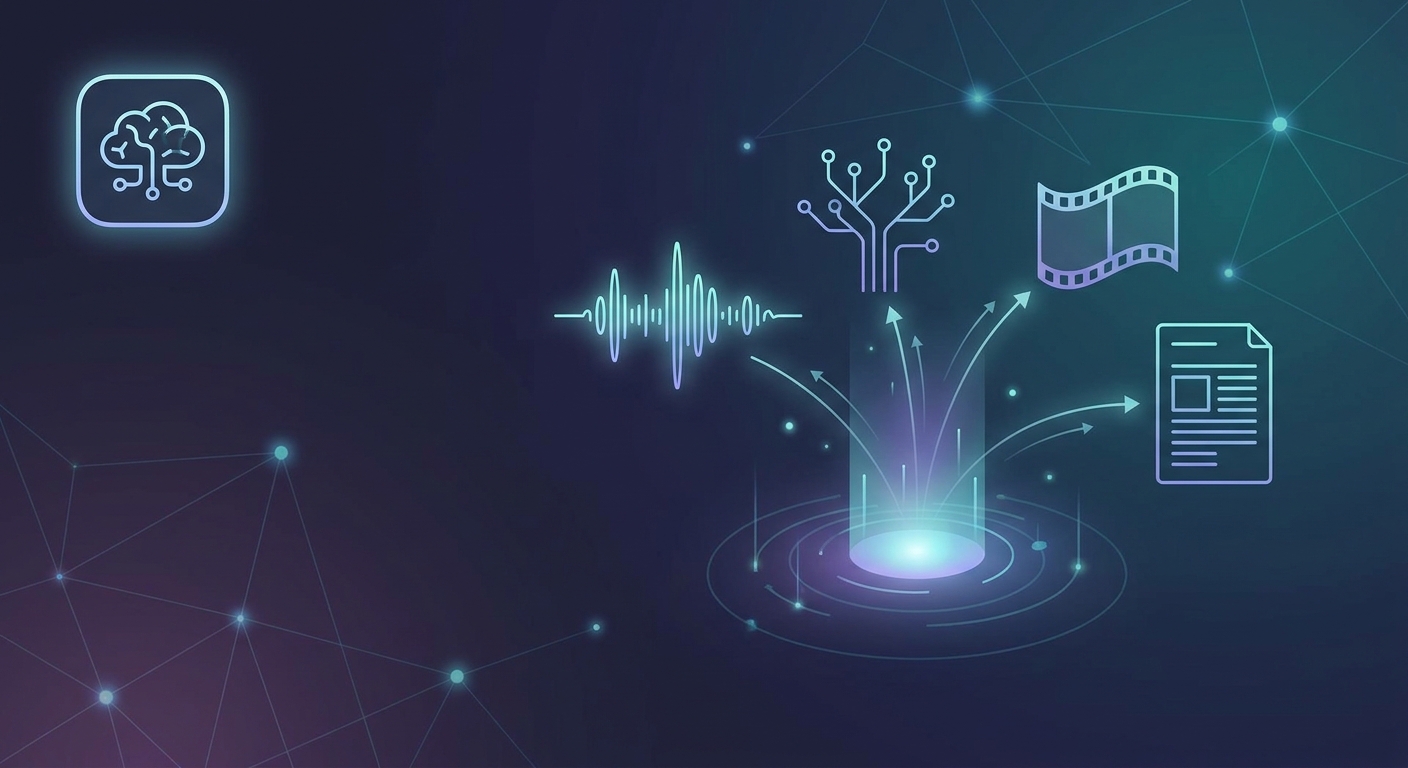
Short Videos and Animations: Think TikTok, but for learning. Keep 'em snappy, like 2-5 minutes max. Animations work great for explaining complex stuff, or just do a quick screen recording showing how to use some software. These can be embedded anywhere, making it super easy for people to access them when they need it most.
Interactive Quizzes and Flashcards: Quizzes ain't just for school, you know? Use 'em to reinforce knowledge and give immediate feedback. Multiple-choice, true/false, drag-and-drop—whatever floats your boat. Digital flashcards is also cool. As Gamfi.com suggests, they can be use to improve skills and boost performance. For instance, flashcards leverage spaced repetition, showing you information at increasing intervals, which helps cement it in your long-term memory. They also encourage active recall, forcing you to retrieve information rather than just passively reading it, which is a much more effective way to learn and improve skill retention.
Audio Snippets and Daily Tips: Not everyone got time for video. Sometimes, you just wanna listen while you do other stuff. Create short audio clips, like 1-10 minutes, focused on a specific insight or lesson. And don't forget daily tips. It's a small piece of actionable advice delivered daily and it encourage continuous learning.

Microlearning isn't just about shrinking content; it's about making it more engaging and accessible. And as Harbinger Group mentioned, ensure mobile compatibility, because everyone's on their phones these days.
Okay, so you got some ideas for what to create, but how do you actually use these formats to make a difference? That's what we'll tackle next.
Integrating AI Writing Tools with Microlearning
So, you're thinking about using ai to create microlearning content? Smart move. But how do you make sure it's actually, you know, good?
ai can be a huge help in condensing information. I mean, nobody wants to read a novel when a tweet will do. Use ai to take those long articles or documents and turn them into microlearning-sized summaries.
- Make sure the ai captures the core of the content. What are the key takeaways? What's the one thing you want learners to remember?
- This is perfect for converting existing resources. Got a bunch of white papers? Boom, microlearning modules.
Quizzes are great for reinforcing learning, but making them can be a drag. That's where ai comes in. Let ai automatically generate quizzes and assessments based on your content.
- Generate different question types, like multiple choice or true/false. Variety keeps things interesting, you know?
- saves a ton of time. Instead of manually writing questions, you can focus on other things, like, uh, making more content.
ai is cool, but it's not perfect. You gotta make sure ai-generated content is actually accurate and original. That's where ai checks come in.
- Use ai tools like gpt0 to ensure content authenticity. Nobody wants plagiarism.
- validate that the ai content is readable and avoids sounding like a robot. gotta keep it human, after all.
Speaking of sounding like a robot, ever read ai-generated text and just feel... nothing? GPT0 can help with that. While GPT0's primary function is to detect AI-generated text, its analysis can highlight areas where the writing might sound overly formulaic or lack a human touch. This insight can then prompt you to revise the text, making it more relatable and engaging.
- GPT0 offers a free tool to help you analyze your content's authenticity. Think of it as a quality check.
- Perfect for educators, content creators, and compliance teams aiming for genuine connections. Find it at GPT0 - analyze your content for free
- Honesty, if you want your microlearning to stick, you need that personal touch.
Beyond plagiarism, 'ai checks' can also involve verifying factual accuracy, ensuring a consistent tone across modules, and confirming that the content aligns with specific learning objectives. Tools like Grammarly (for tone and clarity) or specialized AI content editors can assist with these aspects.
So, there you have it. ai and microlearning: a match made in heaven, as long as you keep it real.
Conclusion: Making Microlearning Work for You
We've explored what microlearning is and why it's such a powerful tool for today's learners, from its bite-sized format to its cost-effectiveness. We then dove into some practical microlearning content formats, like short videos, interactive quizzes, and audio snippets, showing you how to make your digital learning engaging and accessible. Finally, we looked at how AI writing tools can be a game-changer for creating and refining microlearning content, from summarizing long texts to generating quizzes and ensuring authenticity.
By combining these strategies, you can create learning experiences that are not only effective but also fit seamlessly into the busy lives of your audience. So, start small, be consistent, and watch your learners thrive.