Ethical Considerations in AI Content Generation

TL;DR
- This article explores the critical ethical considerations surrounding AI content generation, covering transparency, bias, intellectual property, and the impact on human creatives. It provides best practices for responsible ai use in content creation, focusing on maintaining trust, authenticity, and fairness, along with strategies for educators, publishers, and content creators.
The Rapid Rise of AI Content Generation
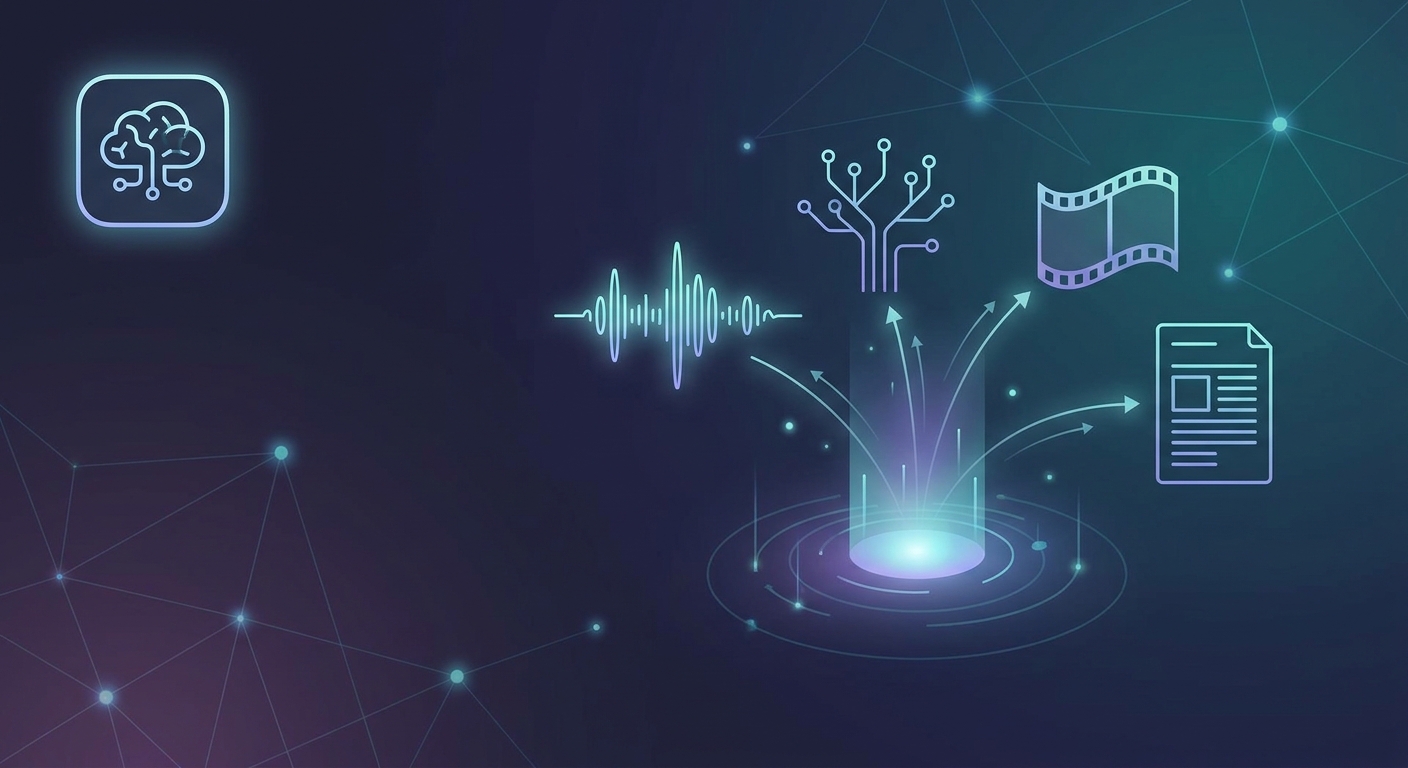
Did you know ai can now write, create images, and even videos? (How to Create Cinematic AI Videos (No-BS Guide) - YouTube) It's kinda wild, right? But with this rapid growth comes a whole set of ethical considerations that we just gotta tackle.
- AI content generation tools are getting super popular, churning out text, images, and videos, and all sorts of stuff.
- It saves time, cuts costs, and let's you personalize things, which is pretty cool.
- For instance, think about healthcare—ai could help personalize patient education materials, or in retail, ai could generate product descriptions at scale.
But, you know, it's not all sunshine and rainbows. According to Content Bloom, companies are already thinking about authorship and transparency. This means we're already seeing a shift in how content is perceived and who's responsible for it.
So, as ai gets more powerful, we need to ask ourselves some tough questions, like "how do we keep things ethical?" To navigate this exciting but complex landscape, we must first understand the critical ethical considerations that arise with AI content generation.
Key Ethical Considerations in AI Content
Okay, let's dive into the ethical swamp of ai content – it's messier than you might think! So, you're probably wondering what's the big deal, right? Well, what if I told you that some AI is spewing out biased stuff without anyone even realizing it?
It turns out, people don't really dig being tricked. Like, imagine reading a news article thinking it was written by a journalist, but it was actually ai. Kinda shady, right? Lack of transparency can totally erode user trust; nobody likes feeling duped, and that's a fact.
- Businesses, especially in sensitive areas like healthcare or finance, should always let people know when content is ai-generated. Imagine getting medical advice from an ai and not knowing it! Scary.
- Clear labeling is key. Something simple like "Generated by ai" can go a long way in building trust. It's all about being upfront, you know?
Now, let's talk about bias. AI models learn from data, and if that data is biased, well, the AI will be too. It's like teaching a kid bad habits; they'll just repeat them.
- AI models can perpetuate biases that are already out there, which isn't cool. Think about AI generating job descriptions that only appeal to certain demographics – a total no-go.
- According to the european commission guidelines, researchers must be aware of these biases, as they can compromise research integrity and scientific fairness. These guidelines emphasize the need for proactive measures to identify and mitigate bias in AI systems, ensuring fairness and preventing discrimination. (Generative AI Ethics: Concerns and How to Manage Them?)
- Auditing AI outputs, using diverse training data, and having regular human oversight are crucial. We need to make sure the content is inclusive and accurate, period.
Because AI tools are basically remixing existing content, plagiarism is a real concern. It's like borrowing someone's homework and passing it off as your own – not okay.
- You gotta use plagiarism checking tools to make sure AI outputs are original. Tools like Grammarly can help. (What is the best free alternative for Grammarly? or is the ... - Reddit)
- Ethical content generation respects creators' rights and avoids legal troubles. Nobody wants a lawsuit on their hands, trust me.
AI-generated content can sometimes sound, well, robotic. It can lack that human touch, that unique brand personality that makes you, you.
- Companies need to fine-tune AI tools to match their brand voice. It's like teaching AI to speak your language.
- Review outputs to ensure authenticity and maintain a genuine connection with your audience. You don't want your brand sounding like a bot, do ya?
AI can make stuff up. Seriously. It can generate factually inaccurate or misleading content, which can be super dangerous.
- Verify AI outputs with credible sources and employ human editors to fact-check everything. Don't just blindly trust what AI tells you.
- Ensure accuracy and protect against spreading misinformation. We don't want to end up in a fake news situation, folks.

So, as we can see, there's a lot to think about when it comes to ethical AI content. Next, we'll explore how to implement these ethical considerations through best practices, including crucial aspects like user privacy and data security.
The Impact on Human Creatives
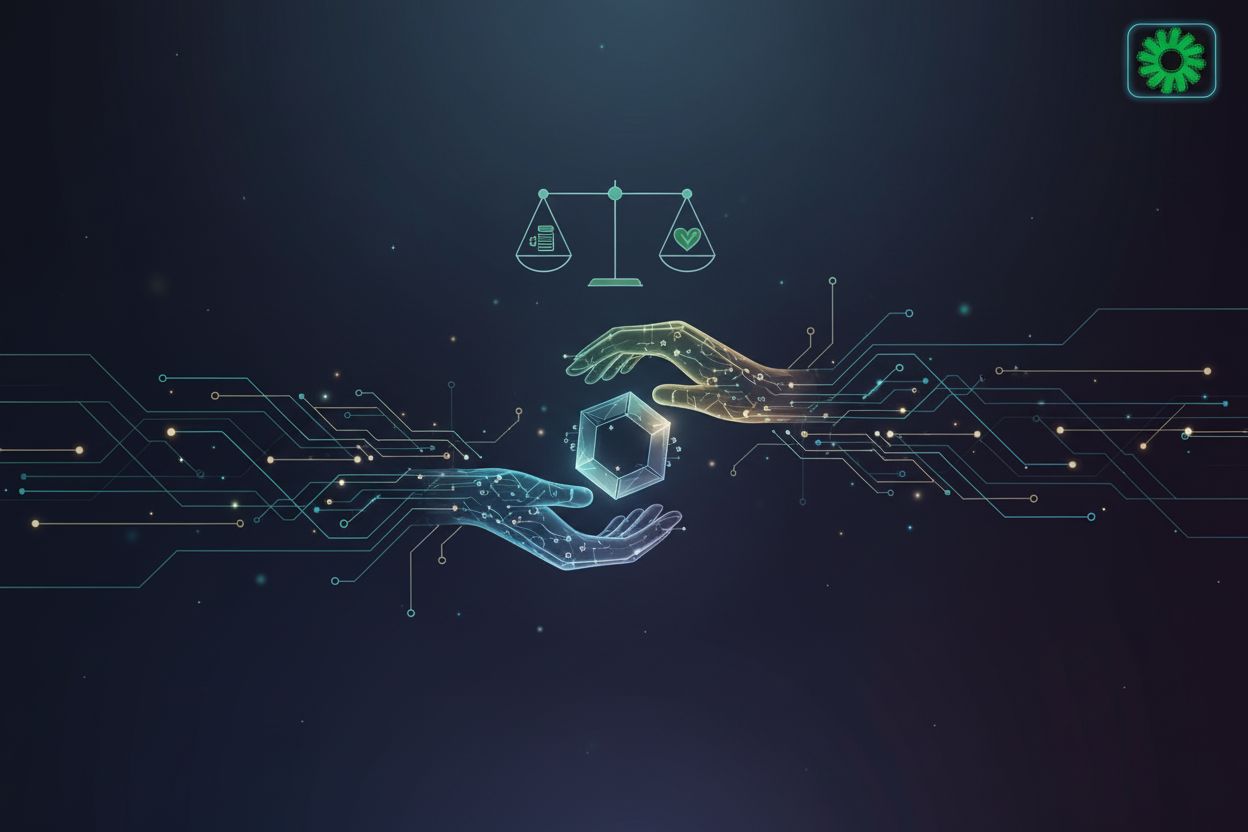
The robots aren't quite taking over, but AI is changing the game, especially for us creatives. Should we be scared? Nah, just strategic. AI isn't here to replace us, but to augment our abilities. Think of it as a powerful new tool in your creative arsenal.
- Ethical use means AI helps, not replaces. Like, AI can draft a blog post, but human editors add the feels, you know? They bring the nuance, the emotional intelligence, and the unique perspective that AI currently can't replicate. This collaboration allows creatives to focus on higher-level tasks like strategy, ideation, and refining the message, leading to more impactful and original work.
- This keeps jobs and makes things faster. So you get the best of both worlds, and that's pretty neat. By integrating AI into workflows, creatives can handle more projects, explore new creative avenues, and ultimately elevate the quality and efficiency of their output. It's about adapting and evolving, not being made obsolete.
Now, how do we make sure AI doesn't steal our jobs entirely? It's about understanding how to leverage AI as a partner. Next, we'll talk about keeping that human touch and how to integrate AI seamlessly while maintaining our unique creative voice.
Best Practices for Ethical AI Content Generation
Alright, so you're diving into how to be ethical with AI content, huh? It's kinda like learning to drive, you need some rules of the road to avoid crashing and burning. Here's a few guidelines that might help ensure you're on the right track.
Disclose AI Usage: You should always label AI-generated content, so people know what's up. Transparency builds trust, right? Like, if you're using AI to draft product descriptions for your e-commerce site, just add a little note saying "ai-generated description." Easy peasy. This honesty is crucial for maintaining a genuine connection with your audience.
Audit for Bias: AI models can be biased, so you gotta check their work. Regularly review outputs for fairness and inclusivity. If you're using AI to create job descriptions, make sure it's not unintentionally favoring certain demographics. This requires a critical eye and a commitment to equitable representation.
Verify Originality: AI tools can sometimes "borrow" content, so use plagiarism checkers to keep things unique. Grammarly is a good start. Don't want to end up in a legal pickle, ya know? Protecting intellectual property is paramount.
Align with Brand: Make the AI sound like you. Customize AI tools to reflect your brand's voice and values. If your brand is quirky and fun, make sure the AI reflects that; otherwise, it'll just sound like a robot. This is where the human touch really shines through, ensuring authenticity.
Fact-Check Outputs: Always cross-reference AI content with reliable sources. AI can sometimes make stuff up, so don't blindly trust it. Especially important in fields like healthcare or finance, where accuracy is key. Human oversight is non-negotiable for maintaining credibility.
Prioritize Sustainability: Choose eco-friendly AI platforms when you can. AI can consume a lot of energy, so opt for providers that are committed to green practices. This relates to ethical content generation by acknowledging the broader environmental impact of the technologies we use, making us more responsible digital citizens.
Protect User Data: Make sure you comply with privacy regulations. Especially if you're using AI to personalize content, you need to handle user data responsibly. This means being mindful of consent, data storage, and how information is used to avoid misuse and maintain user trust.
Collaborate with Humans: You should use AI to enhance, not replace human creativity. Let AI draft the first version, then have a human editor add the nuance, emotion, and strategic insight. This partnership ensures that AI-generated content is not only efficient but also rich, engaging, and truly human-centered.
So, yeah, following these practices is key. Next, we'll get into the nitty-gritty of user privacy and data security – another big thing to consider.
Why Ethical Content Generation Matters
Ethical AI content isn't just a nice-to-have; it's key to building trust, protecting your brand, and staying compliant!
- Ethical AI content generation builds trust, protects brand reputation, and ensures compliance. When audiences know they can rely on your content to be accurate, transparent, and respectful, they're more likely to engage and remain loyal.
- By addressing ethical concerns, businesses create content that resonates authentically. This means going beyond just producing content and instead crafting messages that connect with people on a deeper level, fostering genuine relationships.
- Engaging audiences and driving results in today's competitive landscape requires a foundation of integrity. In a world saturated with information, ethical content stands out, demonstrating a commitment to quality and responsibility that sets you apart.
Therefore, for content that truly connects and resonates, embracing ethical AI is no longer an option, but a necessity.