AI-Driven Personalized Learning Paths for Content Creation.

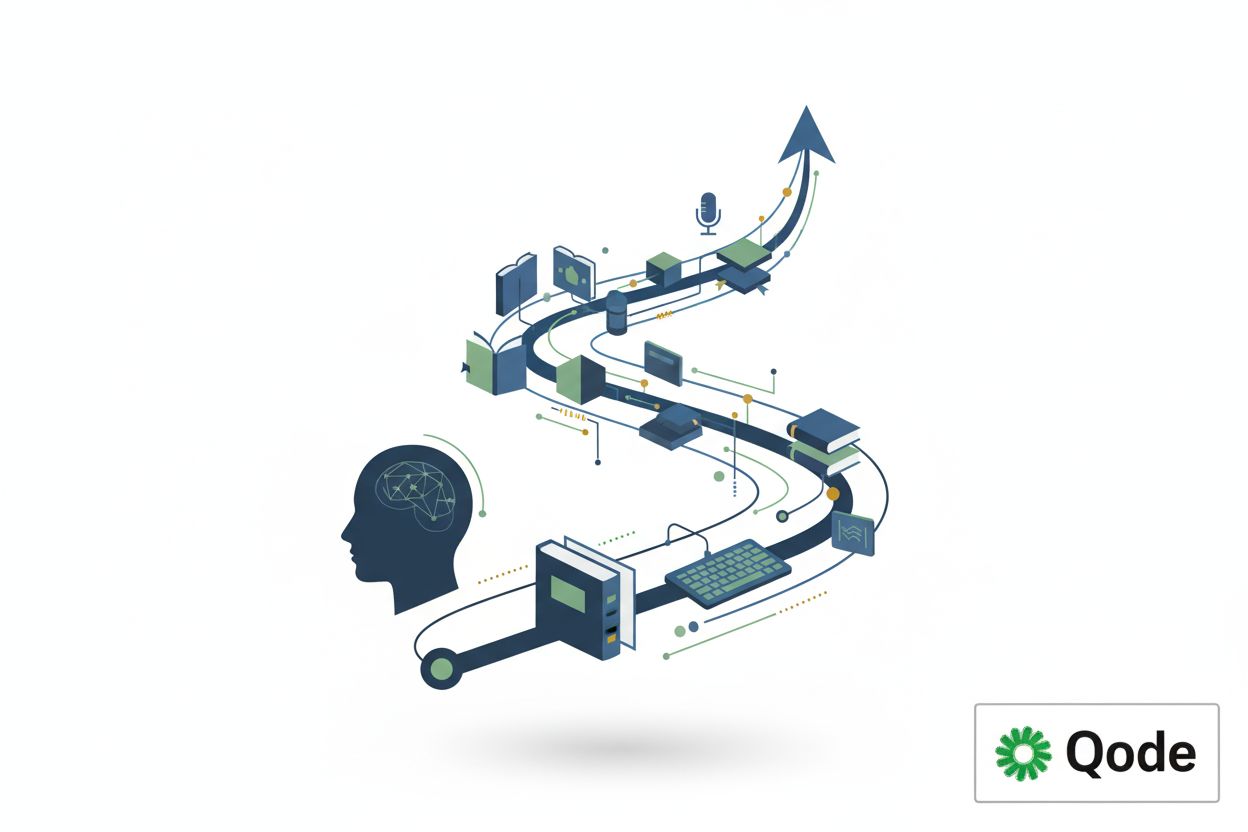
TL;DR
- This article dives into AI-driven personalized learning paths, exploring how they're reshaping content creation. It covers benefits like enhanced engagement and improved skills, alongside implementation strategies and real-world applications. Plus, it addresses challenges and offers a step-by-step guide for integrating these paths into your content creation workflow.
The Rise of Personalized Learning in Content Creation
Personalized learning – has anyone ever really enjoyed a training that wasn't tailored to them? Didn't think so. It's like expecting everyone to wear the same size shoe; someone is bound to be uncomfortable.
Traditional learning methods? Yeah, they often miss the mark. They don't really get that everyone learns differently and at different speeds. Think about those generic training programs – they're kinda like trying to fit a square peg in a round hole, right?
According to MITRE, people disengage when learning doesn’t adapt to the learner. (A fresh approach to supporting disengaged students)
Then there's the whole "forgetting curve" thing. People forget like, a lot of what they learn in those generic programs. (How common is it to forget most everything you've learned in your ...) Personalized learning, though? It actually pays attention to what you need and how you learn best, which keeps you way more interested and helps you remember stuff better.
So, ai comes into play. It looks at your skills, what you're missing, and what you want to achieve. Then, it makes a learning experience just for you. It's like having a dedicated tutor that knows exactly what you need! TrueFan.ai notes that these paths target critical skill gaps more accurately than generic training.
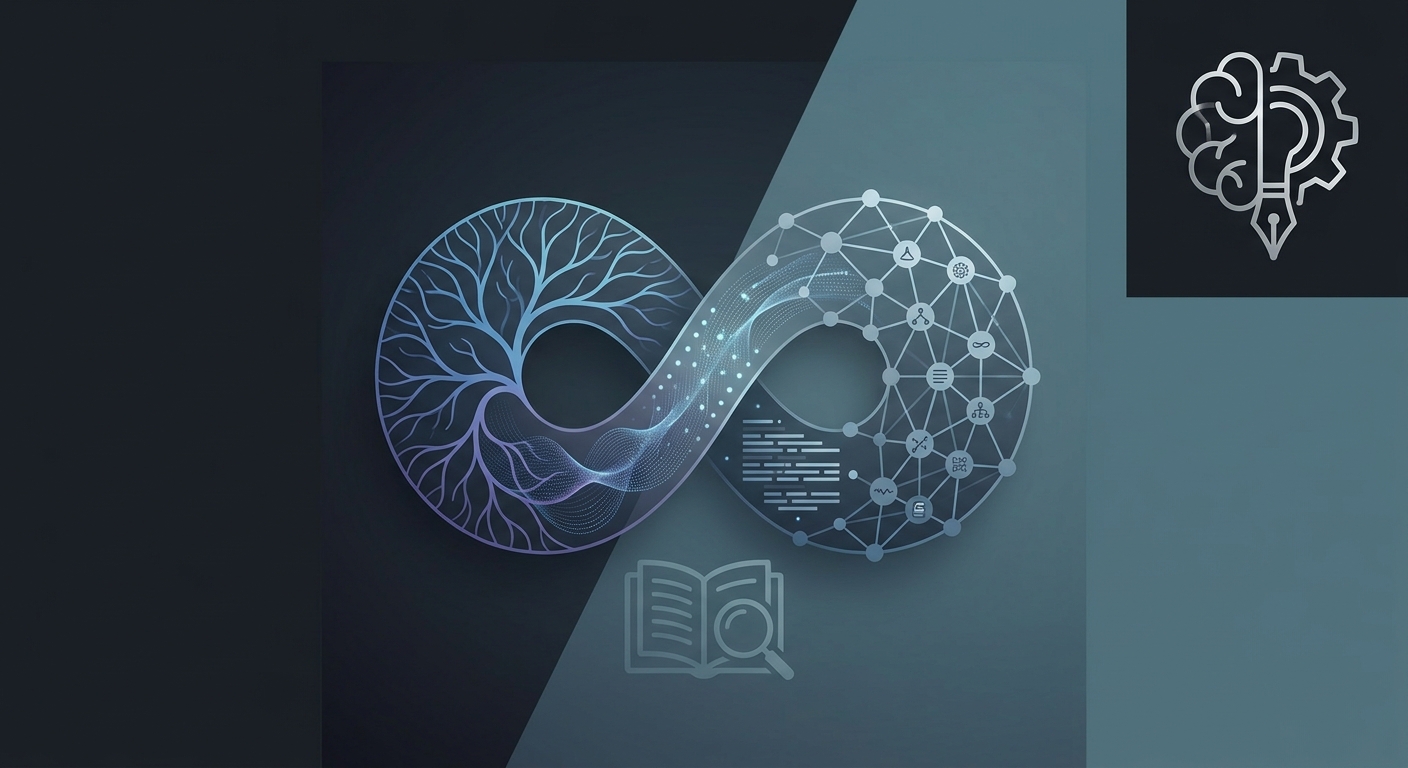
Diagram 1: The Personalized Learning Ecosystem This diagram visually represents the core idea of personalized learning. It shows a central learner figure surrounded by various inputs and outputs. Inputs might include skill assessments, performance data, and learning preferences. Outputs would be tailored learning paths, recommended resources, and progress tracking. The overall flow illustrates how individual data is used to create a unique learning journey for each person.
ai can really pinpoint what content creation skills you need for different jobs. Personalized paths give you exactly what you need, aligning with goals. You actually get some control over your own development.
Next up, we'll explore how ai makes this personalized magic happen behind the scenes.
Core Components of AI-Powered Learning for Content Creators
Okay, so personalized learning? It's not just a buzzword, right? I mean, nobody really wants to sit through training that's totally irrelevant. It's like, why am I even here? ai is like, here to fix that.
ai kinda digs deep to figure out what you're good at and, more importantly, what you aren't. It pulls data from all over the place; performance reviews, project results, even those self-assessments that everyone kinda hates doing. It's not just about ticking boxes, though.
- Data Integration: ai integrates data from performance reviews, project outcomes, and self-assessments. Think of it like this: in healthcare, ai can analyze a nurse's patient care record to see where they excel and where they need extra training. This involves sophisticated algorithms that can process structured and unstructured data from various sources.
- Skill Gap Identification: Skill gaps are identified by mapping individual profiles against required competencies. For example, in retail, ai can compare a sales associate's skills against the requirements for a management position, highlighting areas for development. This mapping process often involves natural language processing to understand job descriptions and competency frameworks, and machine learning models to identify discrepancies.
- Targeted Interventions: This ensures targeted learning interventions for content creators. Like, instead of making everyone sit through a generic social media course, ai identifies those who need help with video editing and sends them straight to those modules.
This is where it gets kinda cool. The ai isn't just saying "here's a course"; it's suggesting specific articles, case studies, and videos that'll actually help.
- Smart Content Recommendation: ai recommends relevant articles, case studies, video tutorials, and simulations. I mean, imagine a financial analyst needing to learn about blockchain – ai would suggest targeted articles and simulations instead of a whole crypto 101 course. These recommendations are often powered by collaborative filtering and content-based filtering algorithms.
- Vast Content Libraries: Algorithms sift through vast libraries of learning content to find the most effective resources. It's like netflix, but for your brain. This requires robust content tagging and metadata management.
- Personalized Delivery: Content is suggested based on individual needs and learning styles. So, if you learn best by watching videos, it's gonna prioritize video content.
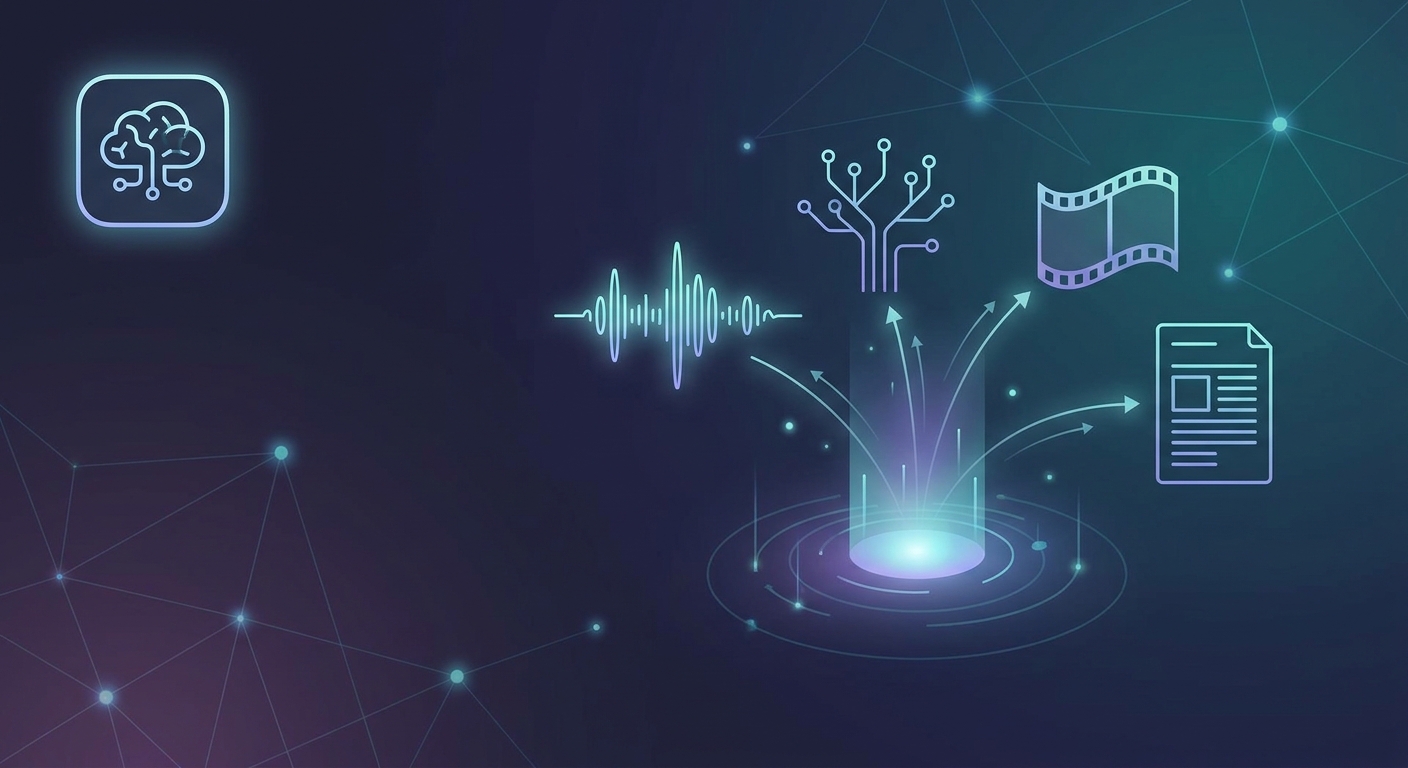
Diagram 2: The AI Learning Engine This diagram illustrates the inner workings of an AI-powered learning system. It might show data inputs (performance reviews, project outcomes, self-assessments) feeding into an "AI Analysis Engine." This engine then outputs "Skill Gap Identification" and "Personalized Content Recommendations." The recommendations are then delivered to the learner, with "Progress Monitoring" feeding back into the AI engine for continuous adjustment.
AI isnt just setting the pace; it's actively watching how you're doing and tweaking things on the fly.
- Adaptive Learning: ai monitors learner progress and adjusts content accordingly. If you're acing all the quizzes, it speeds things up. Struggling? It slows things down and offers extra help. This is often achieved through adaptive learning algorithms that dynamically alter the learning path based on real-time performance.
- Dynamic Path Adjustment: The system accelerates the path for advanced learners and provides supplementary materials for those struggling. It's like having a personal tutor who knows when to push you and when to give you a break.
- Mastery-Based Progression: This ensures mastery before moving on to more complex topics. This is seriously helpful.
So, dynamic profiling, smart content suggestions, and real-time adjustments? It's like, the recipe for actually effective learning. Up next, we'll see why those old-school approaches just don't cut it anymore.
Benefits of AI-Driven Personalized Learning Paths in Content Creation
Personalized learning paths powered by ai? They're not just a futuristic fantasy – they're here now, and they're changing the game for content creators. I mean, who hasn't sat through some training and thought, "This isn't even relevant to what I do!"? ai is trying to fix that.
Increased Relevance and Engagement: Relevant content is king! When content creators see that training directly relates to their work, they're way more likely to pay attention. It's, like, common sense, right? For instance, if a marketing team needs to up their game on social media ads, an ai system will serve up exactly that, not some generic "marketing 101" course. This direct connection makes learning feel purposeful.
Learner Empowerment: Learners become active participants in their own growth. Instead of passively sitting through lectures, they're driving their own learning, which is way more empowering. ai can analyze a student's performance to make sure they understand where and what to study. This sense of agency boosts motivation.
Building Trust and Credibility: Personalization builds trust faster than flashy design. It's not about bells and whistles; it's about showing that you actually get what they need. When individuals feel understood and supported in their development, their trust in the learning system and the organization grows.
Improved Knowledge Retention: Tailoring the pace and reinforcing concepts? It's the key to fighting that dreaded "forgetting curve." Think about it – if you're constantly revisiting and applying what you learn, it's gonna stick, right? Spaced repetition and active recall are built into these personalized journeys.
Deeper Understanding: Information is absorbed more deeply and retained for longer. It's not just about memorizing facts; it's about truly understanding the material and being able to use it on the job. This leads to more robust skill development.
Real-World Application: This ensures learning translates into on-the-job application. It's not just about ticking boxes; it's about making a real difference in how people do their jobs. The focus is on practical skills that can be immediately implemented.
Diagram 3: The Benefits of Personalized Learning This diagram highlights the positive outcomes of AI-driven personalized learning. It could feature a central "Personalized Learning" node with branches leading to key benefits like "Increased Engagement," "Better Retention," "Faster Skill Development," and "Higher ROI." Each benefit branch might have sub-points illustrating specific advantages.
- Efficiency and Time Savings: ai eliminates wasted time on redundant or irrelevant topics. It's like having a laser focus on exactly what you need to know.
- Just-in-Time Learning: Content creators learn what they need, when they need it. No more slogging through hours of material that doesn't apply to them. This is crucial in fast-paced content environments.
- Accelerated Proficiency: This dramatically reduces the time it takes to become proficient. In fast-paced industries, that's a huge advantage.
So, with tailored learning paths, you get more engagement, better knowledge retention, and faster skill development. Now, let's talk about how you actually get this set up.
Implementing AI-Driven Learning Paths: A Step-by-Step Guide
So, you're thinking about implementing ai-driven learning paths? Good move, honestly. It's kinda like giving your content creators a gps instead of a crumpled map.
Step 1: Define Clear Objectives and KPIs First off, you gotta know what you're aiming for. What does "success" even look like for your team? Is it faster onboarding? Better content quality? More output? Nail down those objectives and, more importantly, how you'll measure them. Think roi – real, tangible stuff.
Step 2: Data Collection and Integration Strategy Then, it's data time. Where's your data coming from? Performance reviews? Project management tools? You need a plan to get all that data into your ai system, seamlessly. This might involve setting up apis or using data connectors. And hey, don't forget the legal stuff; data privacy is a big deal. Be upfront with your team about how their data's being used, and consider regulations like GDPR or CCPA. It's best to consult with legal counsel for specific guidance.
Step 3: Platform Selection Picking the right ai learning platform is key. You want something that not only crunches numbers but also plays nice with your existing systems. Robust analytics are a must, plus it should handle all sorts of content formats—articles, videos, interactive simulations, the works. And, you know, make sure it's actually user-friendly. Nobody wants to fight with the software itself.
Diagram 4: The AI Implementation Roadmap This diagram outlines the key stages of implementing AI-driven learning paths. It could show a linear or cyclical flow starting with "Objective Setting," moving to "Data Collection," then "Platform Selection," followed by "Content Integration," "Pilot Testing," "Deployment," and finally "Monitoring & Optimization." Each stage would represent a crucial step in the process.
Step 4: Content Integration and Curation Once you've got your platform, you need to feed it. This means integrating your existing learning materials – articles, videos, courses, internal documentation – and potentially curating new content that aligns with your objectives. Think about how you'll tag and organize this content so the ai can effectively recommend it.
Step 5: Pilot Testing and Iteration Before a full rollout, run a pilot program with a smaller group. Gather feedback on their experience, identify any glitches, and see how the ai is performing. This is your chance to tweak the system and make adjustments based on real-world usage.
Step 6: Rollout and Ongoing Management After the pilot, it's time for the full launch. But it doesn't stop there. You'll need to continuously monitor learner progress, gather feedback, and use that data to refine the ai's recommendations and the overall learning paths. This is an ongoing process of optimization.
One last thing, and it's kinda important: make sure your ai-powered learning paths still feel, well, human. ai can be great, but it can also spit out some pretty robotic stuff.
Implementing ai-driven learning isn't just about the tech. It's about empowering your content creators to be their best selves.